I pitched my next original feature (and went bigger)
Sometimes an idea arrives quietly.
Not with fireworks or a dramatic this is it moment, just a steady nudge that says there’s something here worth following. This feature began exactly like that: a simple concept rooted in food, place and the feeling of Christmas in Suffolk.
And then it grew.
What started as a small idea slowly expanded into a 12-part original series, shaped around the people who make food in this county feel so special. Names listeners already know and love, bakers, chefs, makers, farmers and growers, each bringing their own flavour to the festive countdown. Developing it became less about chasing big moments, and more about listening: to contributors, to producers and to the stories hidden in everyday rituals.
One of the most interesting parts of shaping the series was deciding how each story should be heard.
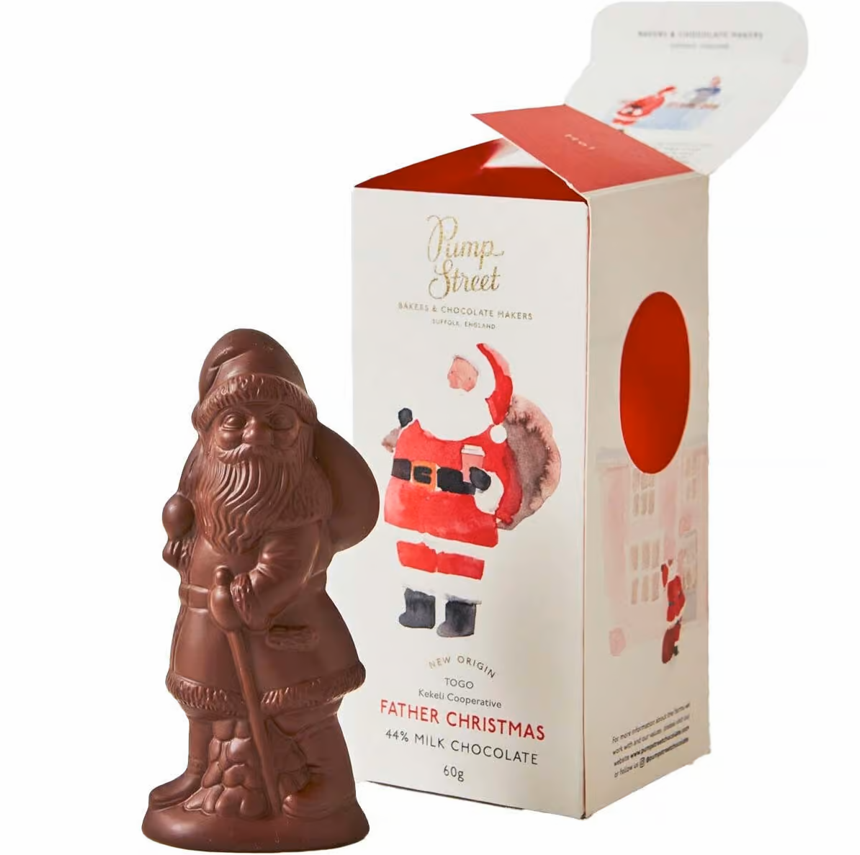
Image Credit: Pump Street Chocolate
Food doesn’t live neatly in one box. Some stories work best out on location, surrounded by clatter and conversation. Others need the intimacy of a live studio chat, or the pace of a phone call woven into a busy breakfast show. Some moments benefit from being carefully pre-recorded and shaped later.
So the series leaned into that variety.
Across the 12 episodes, the feature moved between live outside broadcasts, live call interviews, live studio conversations and pre-recorded packages, allowing each contributor and each story to find its natural rhythm. The result was The 12 Tastes of Christmas, broadcast daily from 9 to 24 December.
We began, naturally, with chocolate. Pump Street Chocolate opened the series by taking us inside the craft of chocolate-making, from bean to bar, and quietly reframed indulgence. Christmas, we learned, isn’t about buying more, it’s about buying better. One excellent bar, thoughtfully made, can mean far more than a box that’s forgotten by Boxing Day.
“Christmas is one time of year where we can spoil ourselves a little bit and spend that little bit extra on something that tastes just wonderful.”
– Pump Street Chocolate
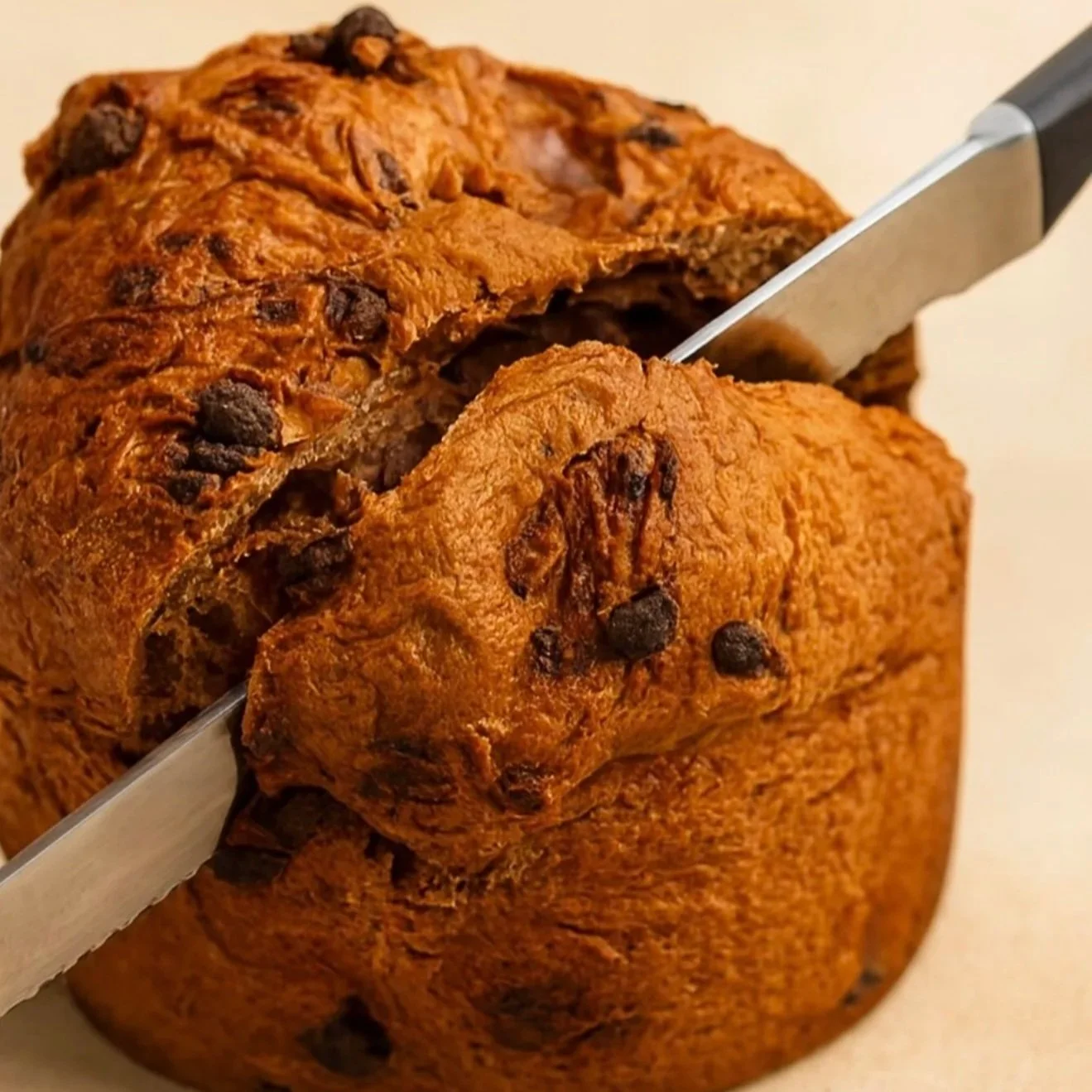
Image Credit: Two Magpies Bakery
That idea followed us through the days that came after.
At Two Magpies Bakery, indulgence came with permission. If you can’t treat yourself at Christmas, when can you? Not extravagance for its own sake, but thoughtful touches: mince pies, Florentines, amaretti on the side of the table, food designed to be shared rather than centre stage.
From there, the focus shifted to calm. At Thurston Butchers and The Unruly Pig, the message was reassuringly clear: Christmas dinner doesn’t have to be stressful to be special. A turkey crown is easier than a whole bird. Let your butcher do the hard work. Take meat out of the fridge early. Rest it longer than you think. Plan early, cook later. Great food, it turns out, often comes from taking the pressure off.
Some of the most practical wisdom came from unexpected places. Freezing blanched potatoes for perfect roasties. Turning leftover turkey into tacos. Making bone broth from the carcass. Letting leftovers become opportunities rather than chores. Eat Anglia reminded us that the days after Christmas can be just as delicious as the day itself, if we allow them to be.
“The idea of having the beautiful whole roast turkey at the table that we carve is a lovely dream, isn’t it? But actually, it’s not very realistic. Cooking a whole bird is really challenging.”
– The Unruly Pig
Sweetness arrived in gentler forms too. Yum Yum Tree Fudge showed how nostalgia still has power when it’s done properly. Less sugar, more patience, familiar flavours like Christmas pudding and chocolate orange melting slowly rather than overwhelming. Comfort doesn’t need reinvention, just care.
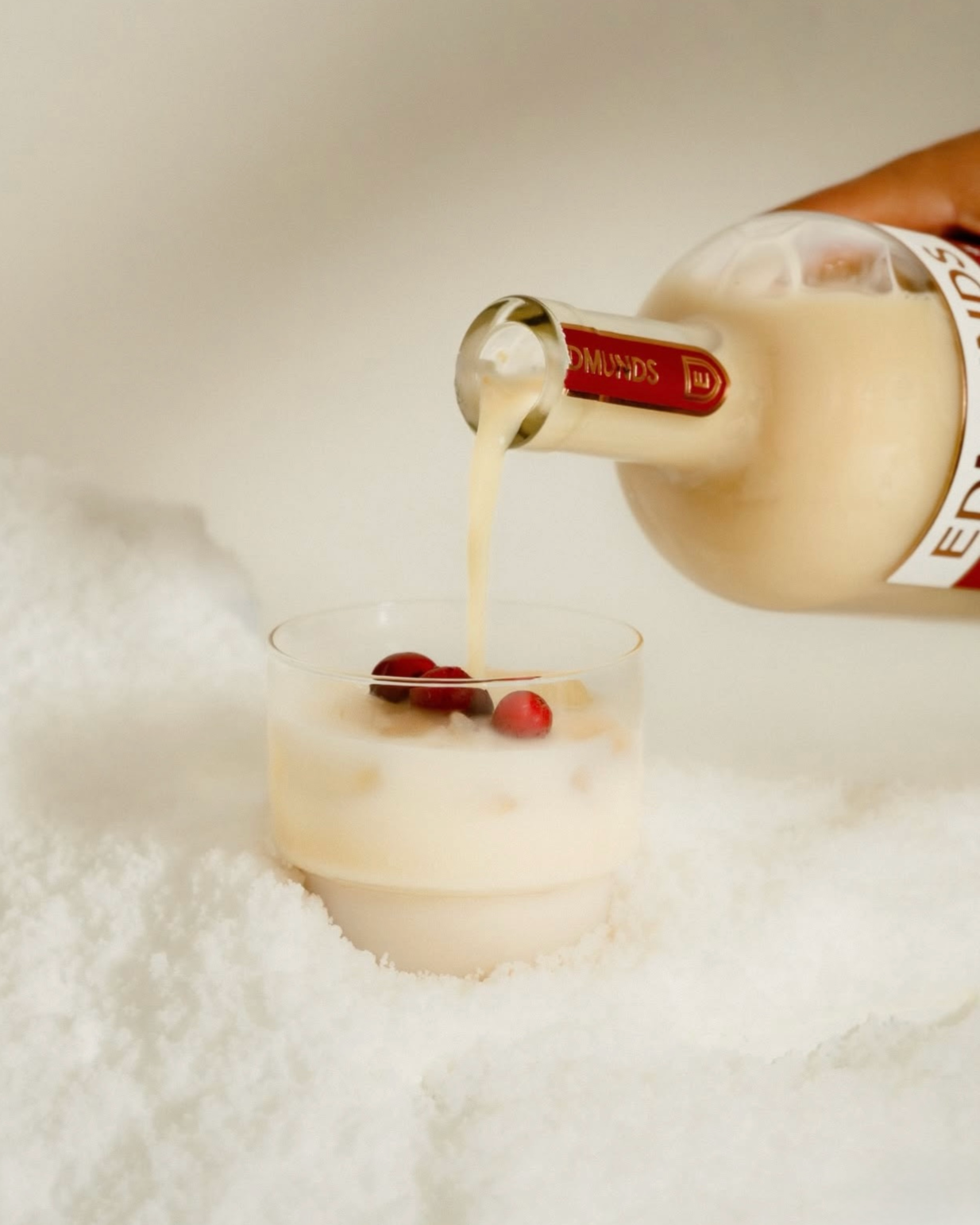
Image Credit: Edmunds Cocktails
When the drinks arrived, the series shifted again. Edmunds Cocktails made the case for effort-free hosting, where balance is measured once so you don’t have to think about it again. Maynard House offered something just as important: choice. Pressed juices, grown and bottled locally, gave space to sober-curious guests, children, drivers and anyone who simply didn’t want alcohol, without making them feel like an afterthought.
At Cradle, the conversation widened further. A meat-free Christmas, we learned, isn’t about replacement but imagination. Vegetables treated with time, herbs, fermentation and confidence can be just as rich and celebratory as any traditional feast. Inclusion, once again, made the table better for everyone.
Fen Farm Dairy slowed everything right down. Back to grass, cows, land and history. A Christmas cheese board, Johnny Crickmore reminded us, is a course in its own right. A chance to tell a story through flavour. Soft, hard, blue, something unexpected. Simple accompaniments. Food that reflects where it comes from.
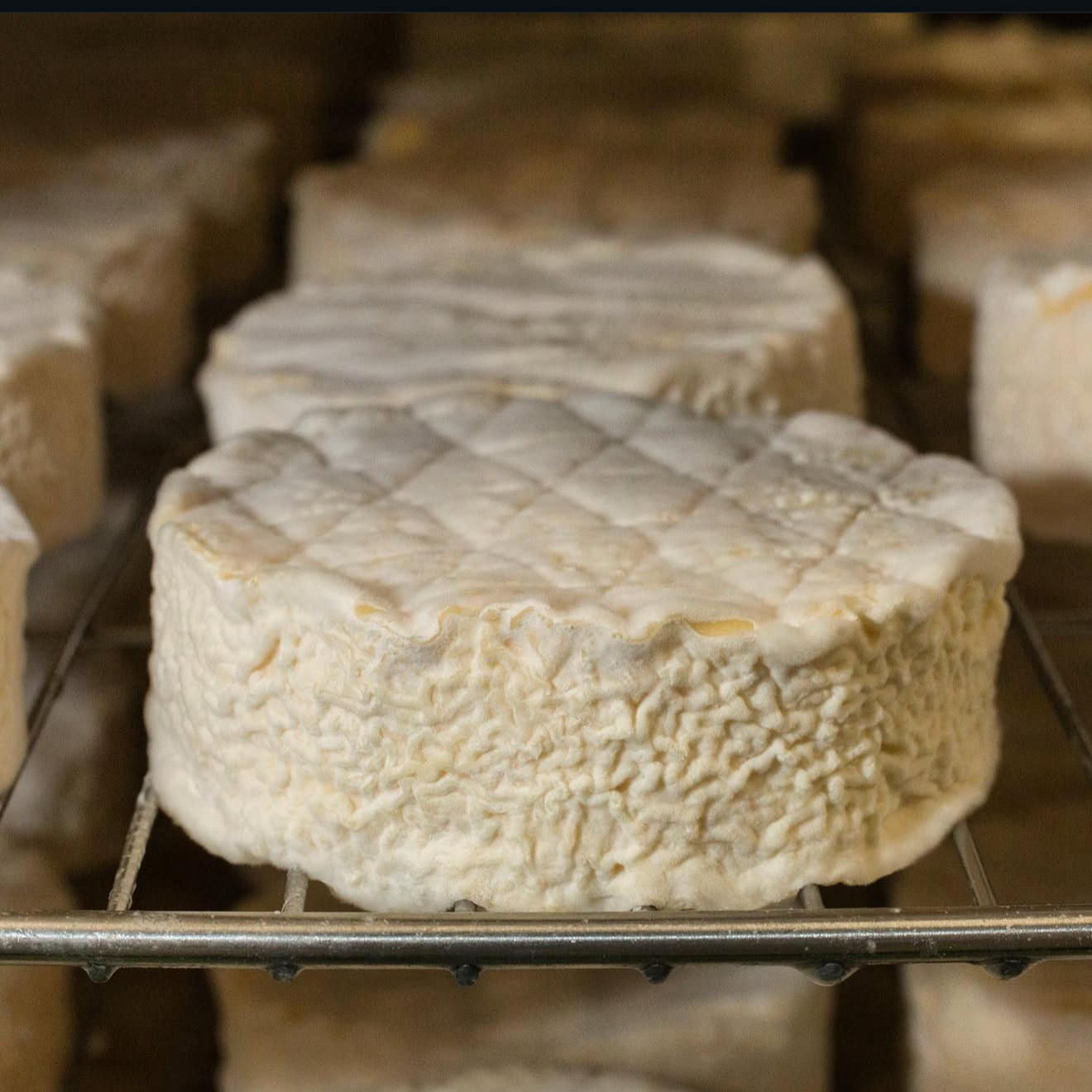
Image Credit: Fen Farm Dairy
And then, at the People’s Community Garden with ActivLives, Christmas came full circle. Muddy carrots. Rosemary cut fresh for roast potatoes. Honey from bees tended by volunteers. Food grown not for profit or prestige, but for access, dignity and connection. Christmas, here, wasn’t bought. It was grown.
The series ended by handing the story back to the people who had shaped it.
Christmas ham eaten for breakfast because it only feels right once a year. A homemade pudding soaked in brandy and carried to the table, sizzling. Mulled wine simmering on the stove, filling the house with spice and memory. Even a curry, chosen deliberately when turkey fatigue sets in.
And that, perhaps, was the biggest lesson of all.
There is no single taste of Christmas.
It lives in memory, habit, smell and small decisions repeated year after year. It’s found in treating yourself kindly, feeding others well, planning just enough and letting go of the rest. Across twelve days and countless conversations, what emerged wasn’t a checklist or a perfect menu, but something quieter and more human.
Christmas doesn’t taste like perfection.
It tastes like home.